
November 7, 2026
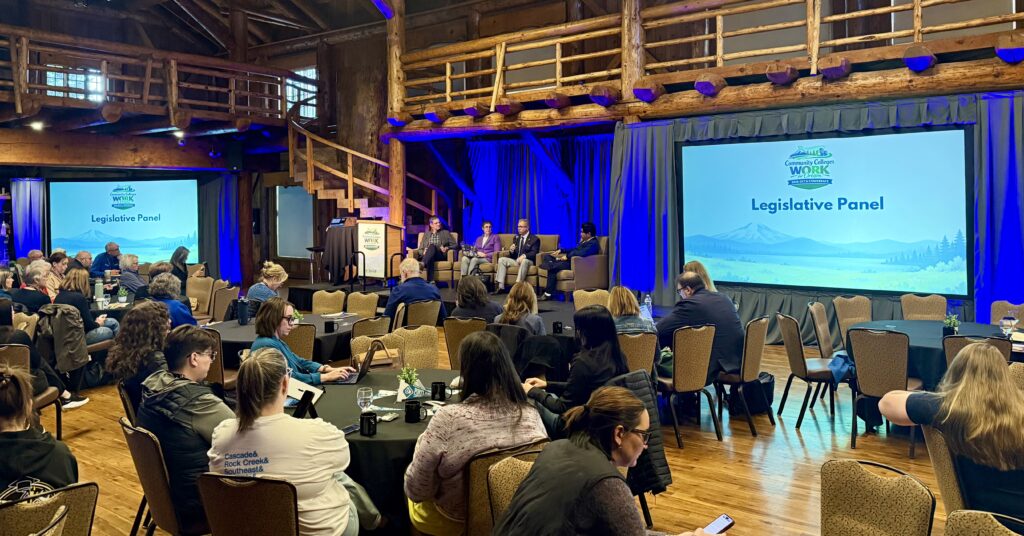
SUNRIVER, Ore. – Community college leaders concluded the 2026 OCCA Conference in Sunriver on Friday, November 6, with conversations about effective governance and the decisions ahead for Oregon’s higher education system.
The conference’s final two sessions examined the board’s role in labor negotiations and brought state legislators together to discuss funding, student success and priorities for the 2027 legislative session.
After three days centered on the theme “Community Colleges WORK for Oregon,” attendees left with ideas to bring back to their campuses and a clear message: strong relationships, informed leadership and continued advocacy will be essential to the work ahead.
Understanding the board’s role in labor negotiations
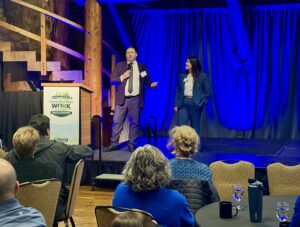 Friday’s opening general session, “The Board’s Role in Labor Negotiations,” explored how board members can provide effective oversight while supporting their college presidents and bargaining teams.
John Stellwagen and Eden Vasquez of Miller Nash LLP walked through the bargaining process and described four central board responsibilities: setting expectations, delegating authority, maintaining oversight and ratifying agreements.
“Set the mandate and then delegate” was a central takeaway.
The discussion emphasized the importance of establishing priorities grounded in the college’s mission, financial position and operational needs, then giving the designated bargaining team room to negotiate within those parameters.
Stellwagen and Vasquez also addressed communication during negotiations, including the importance of coordinating with college leadership and understanding the distinction between listening to employee concerns and engaging in negotiations outside the established process.
As bargaining becomes more complex and time-consuming, speakers encouraged boards to maintain consistent communication with their presidents, understand the pressures facing negotiating teams and plan for continuity of college operations.
Throughout the session, the focus returned to the purpose behind that work: sustaining the programs and services students and communities depend on.
Legislators look ahead to 2027
The closing legislative panel featured state Representatives Lisa Fragala, a Democrat representing the Eugene area; Werner Reschke, a Republican representing portions of Central and Southern Oregon; and Ricki Ruiz, a Democrat representing Gresham and East Portland.
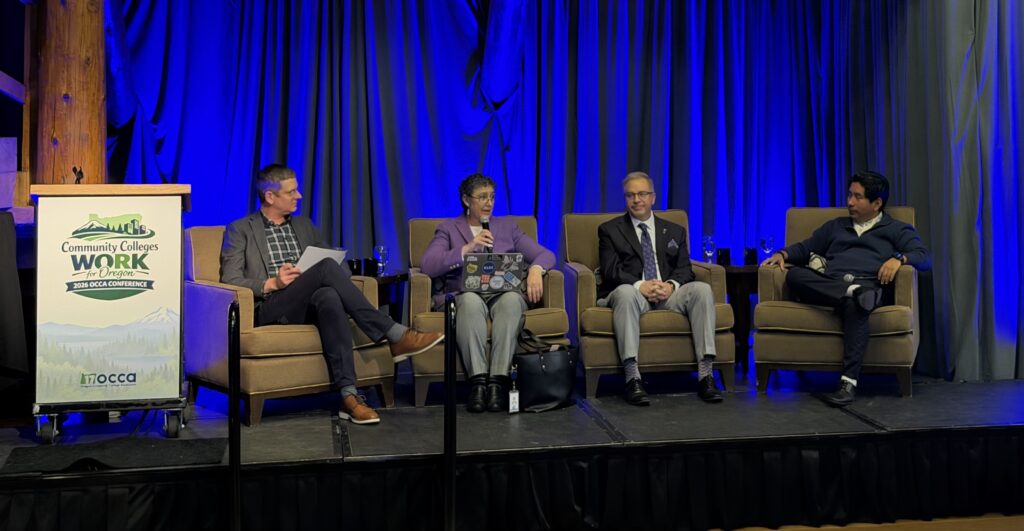 OCCA Director of Government Relations John Wykoff moderated the discussion, which covered the state budget, higher education funding, institutional change and opportunities for community colleges.
All three legislators anticipated difficult funding conversations in the upcoming session, with education competing alongside healthcare, transportation and other state priorities.
Ruiz emphasized that community college investment belongs in conversations about Oregon’s economic future.
“Community colleges are economic drivers, and we have to lead with that message,” he said.
He described protecting education funding as a priority while also examining whether existing funding approaches adequately support the work colleges are being asked to do.
Fragala highlighted affordability, student basic needs and the importance of connecting educational pathways with meaningful career opportunities. Reschke stressed the need for colleges to remain visible in legislative discussions and continue demonstrating their value to the communities they serve.
Keeping students and communities at the center of change
The panel also discussed the House Bill 4124 higher education study and the broader questions it raises about Oregon’s educational future.
Legislators described the study as an opportunity to examine how the system is organized and funded, while recognizing that recommendations would require further discussion and decisions. The conversation also considered how artificial intelligence, changing enrollment patterns and financial pressures could shape colleges in the years ahead.
Fragala urged leaders to approach those challenges with confidence in their ability to respond.
“It’s not just that we must do hard things. It’s that we can do hard things,” she said.
She emphasized student success, the people working in higher education and the well-being of Oregon’s communities as values to guide that work.
Reschke encouraged colleges to build on their local connections.
“Stick close to your community. Understand what your community needs, and then fill that,” he said.
Across the discussion, panelists identified opportunities to strengthen employer partnerships, make transfer easier to navigate and reconnect adults with education. Fragala also emphasized preserving the foundational coursework that supports transfer and a broad education alongside career and technical programs.
Carrying the work forward
The legislative panel brought the conference’s conversations full circle. From Wednesday’s Student Voice panel to Thursday’s discussions of credentials and workforce partnerships, attendees heard how college decisions affect students’ opportunities during their education and afterward.
In closing, OCCA President Pat Fahey thanked attendees and encouraged college leaders to continue that work together.
He invited members to gather again in Salem for the OCCA Legislative Summit on March 3, 2027, followed by Community College Lobby Day at the State Capitol on March 4.
The next OCCA Conference will take place November 3–5, 2027, at the Best Western Plus Hood River Inn.