
OCCA Conference
2026 OCCA Conference
November 4-6, 2026
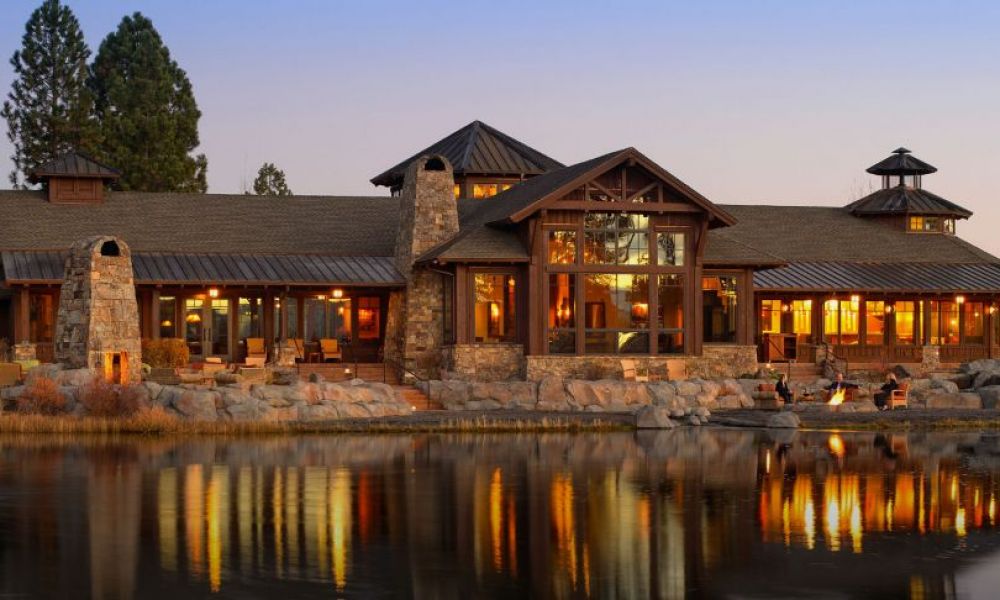
Sunriver Resort, Sunriver, OR
The OCCA Conference brings together college board members and administrators to learn more about how to be empowered and become advocates on statewide community college issues. The conference provides a structure for learning more about current issues and exploring the roles and responsibilities board members can play in providing leadership that ensures Oregon’s community colleges remain vibrant institutions that provide equitable educational opportunities for all.
Hotel Information
Book your room at the beautiful Sunriver Resort today at a special conference rate of $123/night plus tax.
Call 855-420-8206 and mention “OCCA” to make a reservation. Room availability is limited, so book your room early! The last day to reserve under this rate is October 14, 2026.
Conference Cancellation Policy
2026 Conference Timeline
- September 2 – Early Bird Registration Opens
- September 16 – Breakout Session Presenters notified
- Week of September 21 – Full conference schedule announced
- October 9 – Early Bird Registration Closes
- October 10 – Regular Registration Opens
- October 14 – Final Day for Hotel Reservations
- October 16 – Regular Registration Closes & Last Date to Cancel Registration with Refund
- October 17 – Late Registration Opens. Tickets may be transferred but not cancelled for a refund.
- October 28 – Late Registration Closes
Call for Conference Breakout Session Presentations
The 2026 Conference will highlight how Community Colleges WORK for Oregon — and the critical role board members, college leaders, and partners play in that success. OCCA invites dynamic, engaging proposals that showcase innovative practices, effective strategies, and meaningful outcomes that demonstrate how community colleges are working for students, communities, and the state.
Proposal submissions are now closed.
Who Should Submit
OCCA welcomes proposals from:
- Community college board members
- College presidents and administrators
- Faculty and staff
- State and local partners
- Workforce and industry partners
- Nonprofit and community-based organizations
NOTE FOR VENDORS: Preference will be given to vendors who are presenting in partnership with an OCCA-member college. Vendors are required to be a conference exhibitor or sponsor to present a breakout session.
Conference Audience
Approximately 120-150 attendees, including:
- Locally elected community college board members
- College presidents and executive leadership
- Administrators, faculty, and staff
- State and community partners
Session Format
All sessions will be 60 minutes in length. OCCA encourages interactive and engaging sessions. Formats may include:
- Presentations
- Panel discussions
- Facilitated discussions or roundtables
- Workshops
Conference Session Tracks
All proposals should align with the conference theme and fit within one of the following tracks:
Examples include:
- Example A
- Example B
- Example C
2. TRACK 2
[Description]
Examples include:
- Example A
- Example B
- Example C
3. TRACK 3
[Description]
Examples include:
- Example A
- Example B
- Example C
4. TRACK 4
[Description]
Examples include:
- Example A
- Example B
- Example C
Innovation Across All Tracks
OCCA encourages proposals that highlight innovative approaches across all topic areas, including the use of emerging technologies such as artificial intelligence, new service delivery models, and creative strategies that improve outcomes, strengthen governance, and advance community impact.
Board Chair and Vice Chair Pre-Conference Session
- Explore best practices for board roles, including the board’s relationship with the president
- Discuss how boards can support accreditation responsibilities, and
- Review Public Meetings Law with attention to inclusive public comment and maintaining the board’s role during meetings
Concurrent Breakout Sessions
Explore four tracks that group breakout sessions around the priorities shaping community colleges. Find fresh perspectives, practical approaches, and conversations that connect your role to the broader work of our colleges and communities.
- Community Colleges WORK for Board Leadership & Governance – Build effective boards through clear roles, strong board–president relationships, and sound decision-making. Explore ethics, public meetings law, and practices that strengthen board culture and engagement.
- Community Colleges WORK for Oregon’s Economy & Communities – Connect education and workforce needs through partnerships with schools, employers, and communities. Explore career pathways, apprenticeships, and regional strategies that strengthen Oregon’s economy.
- Community Colleges WORK for Student Success & Institutional Effectiveness – Improve retention, completion, and transfer through data-informed decisions and student-centered practices. Explore ways to close equity gaps, meet basic needs, and expand access.
- Community Colleges WORK Through Advocacy & Investment – Advance policy and investment that support community colleges for the long term. Explore funding, infrastructure, and ways to communicate college impact while aligning resources with institutional priorities.
Learn more about the breakout sessions, including full descriptions, locations and presenter info, below.
Track 1: Community Colleges WORK for Board Leadership & Governance
Budget Law 2026: Building Together–Board & Staff Roles
10:15-11:15 a.m. • Location: Heritage 2
Presenters: Jeff Shaffer (Clackamas CC), Allegra Willhite (Tax Supervision and Conservation Commission)
This session will demystify Oregon Budget Law and clarify the responsibilities of elected board members, budget committees, and college staff throughout the budget process. Learn how boards can provide meaningful governance, oversight, and direction — without getting unnecessarily lost in the operational weeds.
Building for the Future: PERS Rates, Costs & What’s Ahead
2:00-3:00 p.m. • Location: Heritage 2
Presenters: Carol Samuels and Brendan Watkins (Piper Sandler)
This session will cover the latest in PERS-land, including the 2025 Valuation and payroll rates for the 2027-29 biennium, the implications of the upcoming expiration of Side Accounts and the potential for funding new ones, pension bonds, and the outlook for the impact on community college budgets going forward.
The Governance Jobsite: The Board’s Role in Address 2026’s Emerging Legal Issues
3:15-4:15 p.m. • Location: Heritage 2
Presenters: Rebekah Jacobson (Garrett Hemann Robertson), Jollee Patterson (Miller Nash), Karen Smith (OCCA)
Legal changes from the federal administration and the courts continue to impact community college operations in unprecedented ways. This presentation will provide an update on current federal actions and cases impacting community colleges, a First Amendment update related to Board member and public employee speech, a refresher on the Board’s role in collective bargaining and an Oregon Government Ethics Commission update. Attendees will receive a refresher on best practices for community college board members and College administration when responding to evolving legal standards.
Track 2: Community Colleges WORK for Oregon's Economy & Communities
Blueprints for Success: Building Rural Pre-Apprenticeship through Community Partnerships
10:15-11:15 a.m. • Location: Landmark 1
Presenters: Helen Wiersma-Koch (COCC), Sarah Cochran (Better Together/South County Collaborative)
Rural communities face unique barriers to building skilled trades pipelines: distance from campus, limited employer density, and fragmented funding. This session shares how Central Oregon Community College (COCC) partnered with regional workforce and nonprofit organizations to launch the La Pine Construction Pre-Apprenticeship program, a place-based initiative that met students where they were. Presenters will walk through the collaborative model uniting COCC, the Newberry Regional Partnership, South County Collaborative, Habitat for Humanity, and COIC around a shared goal: a credentialed, work-ready construction pipeline for South County youth and adults, featuring a hands-on Habitat for Humanity home remodel and stacked credentials (OSHA 10, NCCER Blue Card, BOLI Certificate, college credit). Attendees will leave with practical takeaways on what made this partnership work, including the role of sustained community support and engagement, the importance of parental involvement in recruiting and retaining youth participants, and the need for flexibility when adapting programs to rural realities.
Putting Workforce Pell to Work for Oregon
2:00-3:00 p.m. • Location: Landmark 1
Presenters: Cindy Lenhart (COCC), Adam Mennig (Portland CC), Holly Nelson (Chemeketa CC), Kim Parker-Llernenas (Willamette Workforce Partnership), Julie Pontoni (HECC), Ryan West (Chemeketa CC)
The Workforce Pell initiative presents a transformative opportunity for community colleges to expand access to high-quality, short-term workforce training while meeting regional labor market needs. This session is designed for attendees seeking to understand the policy, funding, and governance implications of Workforce Pell. Participants will explore how eligible short-term programs are created and adapted, and how these can increase student access, improve credential attainment, and strengthen partnerships with employers. The workshop will highlight strategies for financial sustainability through partnerships, possible braided funding opportunities, and alignment with institutional mission and workforce priorities. We will share programs currently underway and how Oregon community colleges are adapting to meet this new funding opportunity for students.
Building for Impact: Rethinking Academic Program Decisions
3:15-4:15 p.m. • Location: Landmark 1
Presenters: David Koehler and Lisa Parks (RCC)
Community colleges are under increasing pressure to align programs with workforce needs, but demand is not enough to justify program growth. Using Rogue Community College’s 2025–26 environmental scan and Academic Master Plan as a case study, this session explores a more disciplined approach to academic portfolio planning. Presenters will demonstrate how RCC moved beyond traditional labor-market analysis to consider student demand, employer credential value, funding and student-success incentives, program costs, institutional capacity, transfer efficiency, partnerships, and equity. Participants will examine a practical decision-screen framework for evaluating whether programs should be grown, redesigned, delivered through partnerships, intentionally supported, or reconsidered. Through real examples and facilitated discussion, attendees will explore how environmental scanning can become an ongoing institutional practice that helps community colleges make difficult, evidence-informed choices while strengthening student success, workforce responsiveness, and the communities they serve.
Track 3: Community Colleges WORK for Student Success & Institutional Effectiveness
How We Do This Matters: Mission-Aligned Basic Needs for Student Success
10:15-11:15 a.m. • Location: Fireside
Presenters: Zoe Cooper-Caroselli and Adam Mennig (Portland CC)
Basic Needs Oregon represents a significant state investment in student success. This session explores how Oregon community colleges are translating that investment into measurable outcomes through innovative basic needs service delivery models, including peer navigator programs and campus resource hubs. We’ll dig into the “how” behind this work: framing basic needs support as education, not just transaction, building students’ help-seeking skills and self-efficacy alongside connecting them to resources. We’ll also highlight the power of the consortium model to amplify impact and coordinate collective action. Attendees will engage in hands-on practice to apply navigation strategies directly. We’ll end the session with concrete next steps for supporting and sustaining this work aligned with the conference’s focus on accountability and institutional effectiveness.
Building the Bridge: Strengthening Transfer Pathways to Oregon’s Private Institutions
2:00-3:00 p.m. • Location: Fireside
Presenters: Linda Samek and Brent Wilder (The Alliance)
The 17 Oregon community colleges, along with nine private universities, and their partners, the OCCA and the Oregon Alliance of Independent Colleges and Universities, have developed policies, processes, and resources to strengthen transfer pathways for students. We are in the final phase of making these resources visible and accessible for transfer-intending students and their support networks. This session will highlight how community college administrators, faculty, and staff can utilize these resources to encourage community college students to explore transfer options to private universities in Oregon. A significant advance is the new direct transfer admissions agreement that guarantees direct admission for students who have completed an AAOT, one of the major transfer map degrees, or other degree options into an appropriate major. Providing students with multiple options for completing bachelor’s degrees and beyond will only enhance the goals for the development of Oregon’s future workforce.
Financial Aid Toolbelt: Navigating OB3, Pell, and Oregon Grants
3:15-4:15 p.m. • Location: Fireside
Presenters: David Koehler and Lisa Parks (RCC)
Financial aid rules are rapidly evolving, bringing new opportunities and challenges for community colleges and students. This session offers a clear, practical overview of key 2026–27 financial aid updates, including OB3 student loan provisions, Pell Grant calculations, enrollment intensity rules, and Oregon state grant updates. Through real-world scenarios and interactive discussion, participants will explore how these policy changes affect student eligibility, award calculations, and campus operations. Attendees will gain actionable communication strategies to translate complex regulations into clear guidance, helping teams break down financial barriers, streamline support, and empower Oregon students to successfully navigate their aid options.
Track 4: Community Colleges WORK Through Advocacy & Investment
Making STATS Work for Oregon: Federal Accountability and Program Values
10:15-11:15 a.m. • Location: Heritage 1
Presenters: Ryan West (Chemeketa CC)
To prove that community colleges truly WORK for Oregonians, institutions must demonstrate that their credentials deliver measurable economic value. The new Student Tuition and Transparency System (STATS)—the latest evolution of federal Gainful Employment and Financial Value Transparency regulations—sets strict benchmarks requiring credential completers to earn more than high school graduates without a college education. This session traces the two-decade evolution of federal gainful employment regulations into the new STATS framework, examining how these updated metrics assess program outcomes. Attendees will explore which academic programs are most vulnerable to failing the new earnings benchmarks and analyze the severe institutional consequences of non-compliance, including the potential loss of Title IV federal student loan eligibility. Participants will leave equipped to navigate the new measurements and timeline, identify at-risk offerings, and align institutional strategy with federal standards—ensuring their career pathways continue driving Oregon’s workforce and economic mobility.
One College, One Plan: Building a Unified Three-Year Financial Strategy
2:00-3:00 p.m. • Location: Heritage 1
Presenters: Stephanie Bulger, Kara Flath and Jesse Maldonado (Lane CC)
Lane Community College’s Board Chair, College President, and Vice President of Finance and Operations will share how the college built a unified three-year financial plan that connects governance, institutional priorities, operational decision-making, and long-term sustainability. Using Lane’s experience with multi-year mitigation planning, the presenters will explain how clearly defined roles, transparent financial targets, structured community engagement, and consistent progress reporting can move a college from fragmented budget conversations to shared institutional ownership. The session will include practical examples of how the board, administration, and college community can work together while respecting governance boundaries and maintaining accountability for results. Participants will engage in a brief case-based discussion and leave with adaptable strategies for creating alignment, strengthening trust, and developing a financial- sustainable roadmap that supports student success and ensures community colleges continue to work for Oregon.
Power in Partnership: Turning Collaboration into Savings & Impact
3:15-4:15 p.m. • Location: Heritage 1
Presenters: Sage Freeman and Layli Liss (Chemeketa CC)
Oregon’s community colleges achieve more when we work together! Join us to explore how the Oregon Community College Distance Learning Association (OCCDLA) turns statewide collaboration into measurable value for colleges. Through real examples of shared purchasing, coordinated implementation, and cross-institutional partnerships, we’ll show how our consortium helps reduce costs, expand access to high-quality educational technologies, and strengthen institutional capacity. We’ll share lessons from successful initiatives and highlight how collective purchasing power and shared expertise help colleges of all sizes accomplish more with limited resources. Leave with practical ideas and inspiration for supporting strategic partnerships, shared services, and collaborative investments that benefit students, institutions, and communities across Oregon.
Beyond Incremental: How Rogue Community College Made Modified Zero-Based Budgeting Work
3:15-4:15 p.m. • Location: Great Hall
Presenters: Michael Pollock and Lisa Stanton (RCC)
Community colleges face increasing pressure to align limited resources with strategic priorities, enrollment shifts, and stakeholder expectations. Rogue Community College transformed its budget development process by moving from traditional incremental budgeting to a modified zero-based budgeting approach that emphasizes planning, accountability, transparency, and mission alignment. Through the implementation of BudgetPak, ActionPaks, strategic plan integration, and enhanced stakeholder participation, RCC changed the conversation from “What did we spend last year?” to “Why do we need these resources and how do they advance student success?” This session will share RCC’s practical journey, including successes, challenges, lessons learned, and outcomes. Attendees will leave with actionable strategies, templates, and implementation ideas that can be adapted at institutions of any size to strengthen financial stewardship, institutional sustainability, and strategic resource alignment.
 Howard Cherry Awards Banquet
The annual Howard Cherry Awards celebrate the contributions that local advocates, administrators and board members have made to the benefit of Oregon’s community colleges. The awards are named for the late Dr. Howard Cherry, a lifelong advocate for education and community involvement. Dr. Cherry was also a founding member of the Association of Community College Trustees (ACCT) and was a trustee of the American Association of Community & Junior Colleges.
The Howard Cherry Awards Banquet is included with OCCA Conference Registration (additional tickets also available), and will take place on Thursday, November 5, 2026. It also includes recognition of dedicated service awards for community college board members. Attire for the banquet is business professional or formal.
Submit Nominations for the 2026 Howard Cherry Awards
Nominations must be submitted by Friday, August 14th at 5:00pm.
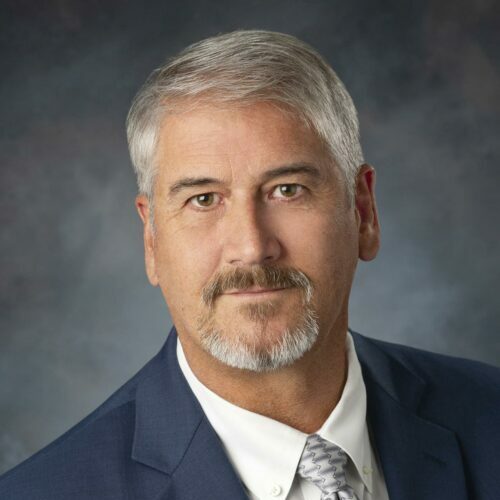
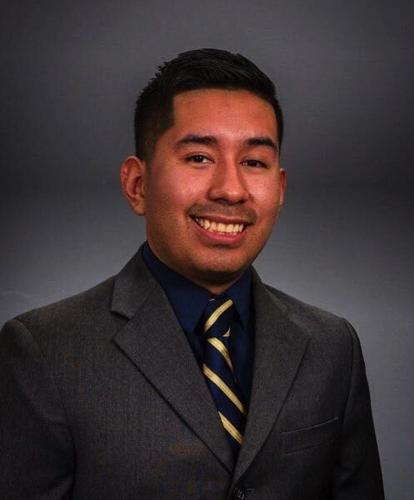
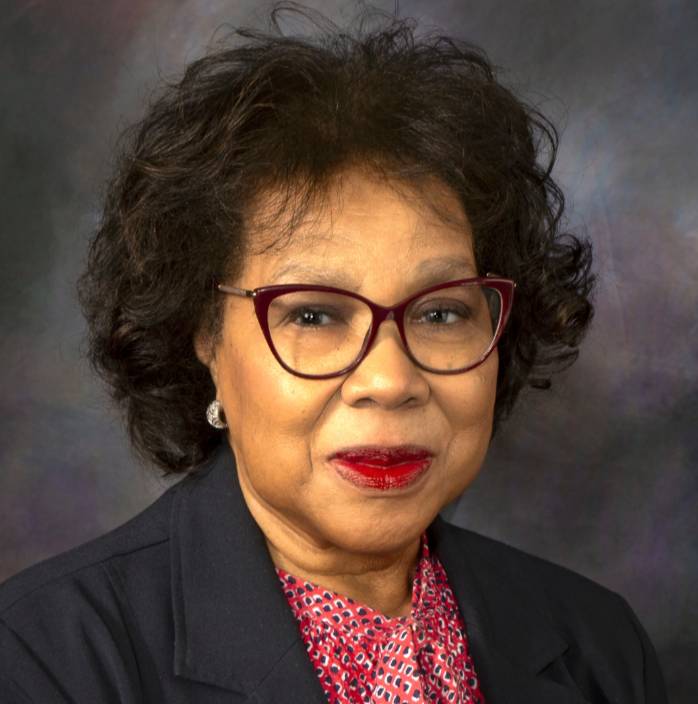
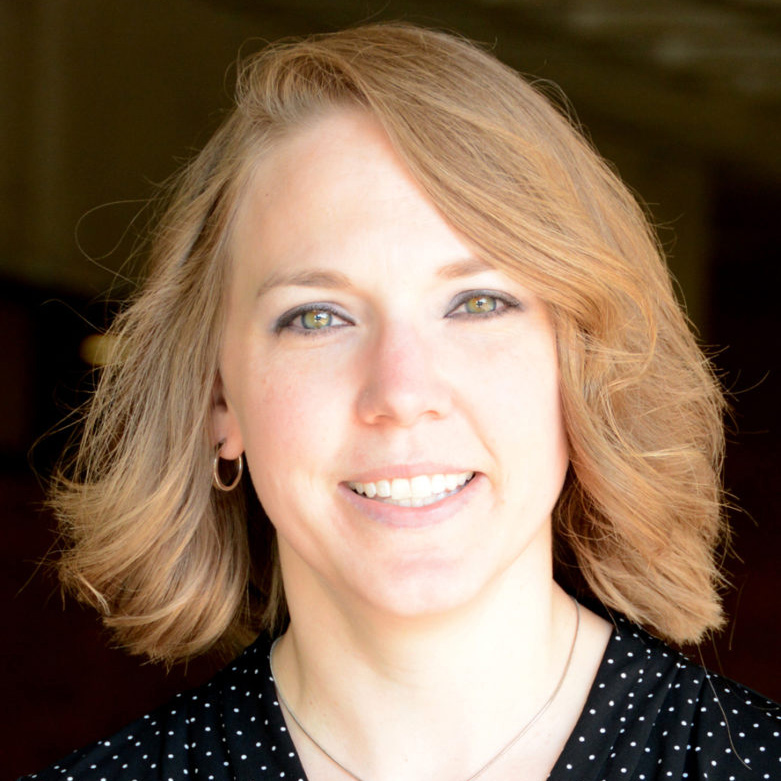
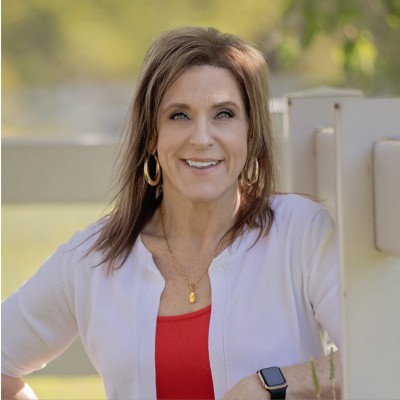
Congratulations to the 2026 Howard Cherry Award winners!
Click here for the press release
2026 Conference Sponsors
Thank you to our 2026 Diamond Sponsor
Thank you to our 2026 Gold Sponsors



Thank you to our 2026 Silver Sponsors



Exhibitor Information
- One 6-foot skirted and draped table
- One chair
- Access to power
- Wireless internet access
Sponsorship Opportunities
The 2026 OCCA Conference would not be possible without the support of sponsorships. If you’re interested in becoming a sponsor for the conference, please contact katie@occa17.com for more information or fill out the inquiry below.